Physical Education, Activities, and Student Well-Being
Student well-being is foundational to learning. A student who is physically unhealthy, mentally overstimulated, socially disconnected, or emotionally dysregulated cannot engage fully in rigorous academics. Strong schools understand this reality and design intentional systems that support the whole student—without sacrificing academic expectations.
Public charter schools have the flexibility to take a more thoughtful, integrated approach to student well-being. Rather than treating physical education and extracurricular activities as optional add-ons, they can align movement, discipline, and enrichment with academic and character goals. Community Charter School (CCS) approaches student well-being as a core responsibility, not a secondary program.
Why Physical Education Matters in Academic Schools
Physical education is often misunderstood as merely “exercise time.” In reality, high-quality physical education teaches discipline, coordination, resilience, teamwork, and self-regulation—skills that directly support academic success.
Research consistently shows that students who engage in regular physical activity demonstrate:
- Improved concentration and memory
- Better emotional regulation
- Increased stamina for sustained academic work
- Lower stress and anxiety
- Stronger social skills and cooperation
A well-designed physical education program does more than promote fitness; it trains students to manage their bodies and energy in ways that support learning.
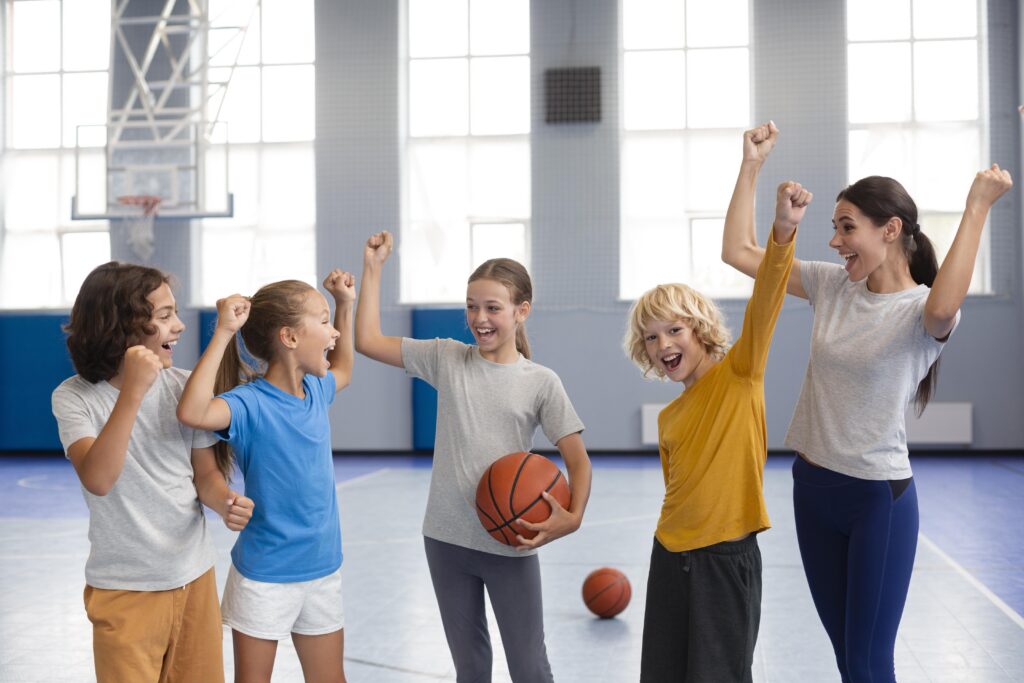
At CCS, physical education is not about entertainment or exhaustion. It is about intentional movement, skill development, and healthy routines that reinforce discipline and responsibility.
Sports as a Vehicle for Character and Growth
Athletics play an important role in student development when they are structured around values rather than hype. Sports teach students how to practice, follow rules, accept feedback, work as a team, and handle both success and failure.
At their best, school sports emphasize:
- Commitment and preparation
- Respect for rules and officials
- Accountability to teammates
- Perseverance through challenge
- Humility in victory and resilience in loss
CCS views sports as an extension of its educational mission. Participation is not about winning at all costs; it is about learning how to train, compete honorably, and represent oneself with integrity.
Athletics provide students with real-world lessons in effort, discipline, and leadership—qualities that serve them well beyond the playing field.
Activities Beyond Sports: Developing the Whole Mind
Student well-being is not limited to physical health. Mental focus, strategic thinking, creativity, and emotional balance are equally important. For this reason, CCS values a range of structured activities that complement athletics and academics.
Activities such as chess clubs, debate, music, and academic teams contribute to student well-being by:
- Teaching patience and strategic thinking
- Developing concentration and mental endurance
- Encouraging respectful competition
- Building confidence through mastery
- Providing alternative avenues for excellence
Chess, for example, develops planning, foresight, impulse control, and resilience—skills closely aligned with classical education and academic rigor. These activities offer students who may not gravitate toward sports another way to challenge themselves and belong.
CCS recognizes that students thrive when they have multiple pathways to engagement and achievement.
Balance, Structure, and Healthy Routines
Well-being is not achieved through constant stimulation. Students need balance—between work and movement, challenge and recovery, structure and rest. Schools that overload students with unstructured activity or endless entertainment often undermine focus and discipline.
CCS emphasizes:
- Predictable daily schedules
- Purposeful use of activity time
- Clear expectations for participation
- Respect for rest, recovery, and reflection
Physical education and activities are designed to support—not distract from—academic learning. Students learn how to manage their energy, maintain focus, and transition responsibly between activities.
This balance prepares students for real life, where success depends on managing time, effort, and health responsibly.
Emotional and Social Well-Being Through Participation
Participation in structured activities builds belonging. Students who feel connected to their school are more engaged, motivated, and confident. Team sports, clubs, and group activities help students develop healthy relationships and social skills.
Through participation, students learn:
- Cooperation and communication
- Respect for peers and adults
- How to resolve conflict constructively
- How to contribute to a shared goal
CCS intentionally fosters environments where participation is meaningful and respectful. Activities are not about status or popularity; they are about growth, contribution, and shared standards.
CCS’s Integrated Approach to Student Well-Being
Community Charter School approaches physical education, sports, and activities as part of a unified educational philosophy. Academic rigor, character development, physical health, and emotional well-being are not separate goals—they reinforce one another.
At CCS:
- Physical education supports discipline and focus
- Sports reinforce teamwork and perseverance
- Strategic activities strengthen thinking and self-control
- Structure creates safety and balance
- Well-being supports academic excellence
This integrated approach reflects CCS’s commitment to educating the whole student—mind, body, and character.
Preparing Students for Lifelong Health and Responsibility
Ultimately, schools must prepare students not just to pass tests, but to live healthy, responsible lives. Physical fitness, emotional resilience, and disciplined habits are essential for long-term success.
By emphasizing purposeful physical education, meaningful activities, and balanced routines, CCS helps students develop:
- Lifelong health habits
- Confidence in their abilities
- Respect for themselves and others
- The discipline needed to succeed in demanding environments
Student well-being is not a soft goal. It is a serious responsibility—and one that CCS embraces fully.